
Will a Bollard Actually Cut Your Car Insurance? Here's the Truth
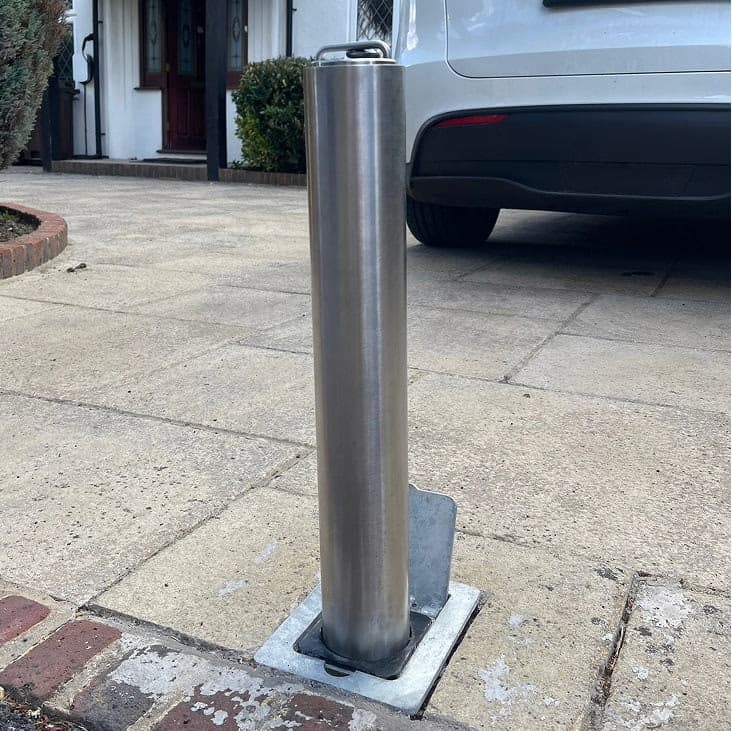
Short version:Yes — but only if your install is documented properly and your insurer is one of the ones that actually cares. Most Merseyside customers we've fitted for are saving between £150 and £600 a year. A few Range Rover and Land Rover owners around Crosby and Allerton have shaved closer to £1,500 off their premium.
The Honest Answer
Loads of customers ask us this. They've seen ads claiming “save 15% on insurance!” and want to know if it's real. Here's the truth from someone who has fitted bollards across Merseyside for years and actually rung up clients' insurers with them on speaker:
- Most major UK insurers will reduce your premium when you tell them you've got driveway bollards fitted
- The discount usually sits between 5% and 15%
- High-theft postcodes around Merseyside get the bigger end of that range
- High-value motors (Range Rover, Defender, AMG, M-Series) can see even larger reductions because the insurer's exposure drops the most
- But — and this is the bit people miss — you have to tell them properly, with photos and a receipt. No proof, no discount.
Real Savings From Real Merseyside Drivers
Not making these up. These are customers we've fitted in the last 18 months who came back and told us what they actually saved:
Range Rover Sport owner — Crosby (L23)
Premium dropped from £2,890 → £1,710 after two telescopic bollards fitted and reported to Admiral
BMW 3 Series — Allerton (L18)
~12% off renewal after fitting a single telescopic post; insurer asked for two install photos
Ford Kuga — Bootle (L20)
~8% off after two parking posts fitted; high-theft postcode helped push the discount
Audi Q5 — Wirral (CH48)
Direct Line offered a ~10% reduction at renewal with photos of two bollards in raised position
Mercedes GLE — Formby (L37)
£900+ off the renewal after a previous claim on the driveway. Bollards moved the car from “exposed” to “protected” in the insurer's system
Over a 5-year ownership, that's £950 to £6,000 back in your pocket — for an install that usually pays for itself in year one or two on the higher-value motors.
What Insurers Actually Want To See
Not every bollard counts. We've had customers fit cheap eBay posts themselves and get nowhere with their insurer. The ones who get the discount have these boxes ticked:
The Insurer Checklist
- Professional install: Concrete socket, set to a proper depth (usually around 1 metre below ground). DIY bolt-down posts rarely qualify.
- Steel / stainless build: Plastic and decorative posts won't cut it. Insurers want something that'd actually stop a vehicle.
- Photos before & after: Your installer should give you photos of the hole, the socket, the finished post. Send these to your insurer.
- Receipt / invoice: A real invoice with VAT or trade details, not a Gumtree handshake.
- Locked when parked: Telescopic bollards must be in the “up and locked” position any time the car's on the drive. If you leave them down, you're voiding your own discount.
Which Insurers Give the Best Reductions?
Based on what our Merseyside customers report back to us (consistent over the past two years):
- Admiral / elephant: Reliable 10–15% on high-value motors in high-theft postcodes
- Direct Line: Usually 8–12%; they like clear photos
- Aviva:5–10%, sometimes more on Range Rovers / Defenders where they've been stung on claims
- LV=: Decent discount but often only at renewal, not mid-policy
- NFU Mutual / specialist insurers: Best for agricultural / rural Merseyside addresses (Maghull, Halewood edges)
- Hastings, Churchill, esure:Smaller discounts (sometimes none) — worth ringing and asking, but don't bank on it.
If your insurer flat-out won't offer anything, that's your sign to compare elsewhere at renewal. Bollards normally save more on a switched policy than a renewed one anyway.
How to Actually Get the Discount Applied
Here's the exact process. Took me a while to figure out the most reliable order, but this is what works:
- Get the bollards fitted — make sure your installer sends you the photos and an invoice.
- Ring your insurer(don't do it on the app or web chat — phone gets it through faster). Tell them you've had professional driveway security bollards fitted and you want a mid-term adjustment or note on the policy.
- Email the photos and invoice to the address they give you on the call. Keep a copy.
- Ask for the change in writing— confirmation email with the new premium / adjusted note. If it's not in writing, it didn't happen.
- At renewal, shop around anyway— quote comparison sites usually have a “driveway security” question. Tick it. You'll see who really values it.
Mistakes That Get Your Discount Refused
Seen all of these. Some painful:
- DIY surface-mount post bolted to the slabs. No socket, no concrete, no chance.
- Leaving the post downwhile parked “just for tonight” — and then claiming after a theft. Insurer will void it.
- Wrong bollard for the threat— a tiny decorative post on a wide drive with a Range Rover won't pass scrutiny. The insurer will say it's cosmetic.
- No paper trail— installer paid cash, no invoice, no photos. Without proof, you're back to a “no security” policy.
- Forgetting to update your policy when you move. The bollards live at the old house. The discount stays there too.
Why Merseyside Postcodes Get Bigger Discounts
This is a quiet one most homeowners don't realise. Insurers price by postcode risk. Liverpool, Bootle, Birkenhead, Kirkby and parts of St Helens sit higher up the vehicle-theft tables than the national average. That means your base premium is already inflated — so the percentage discount comes off a bigger number, and the £ saving is meaningfully larger than the same install in, say, rural Cheshire.
Translation: Merseyside drivers usually get more financial benefit from bollards than the same job done down south. That's a quirk in your favour worth knowing about.
The Other Savings People Forget About
Insurance is the headline, but it's not the only money bollards save you:
- No excess to pay if a theft is prevented vs successful — typical car-theft excess is £350–£750.
- No no-claims hit from a stolen-vehicle claim. Losing 4–5 years of NCD costs more than the bollards themselves.
- No parking disputes with neighbours, dropped Amazon vans, or contractors blocking you in.
- House sale appeal — secure driveway is a small but real plus when buyers compare detached properties.
Is It Actually Worth It?
Quick maths on a typical job for a Merseyside customer with a car worth £25k+ in a higher-risk postcode:
- Two telescopic bollards fitted (typical):~£1,400–£1,500
- Insurance saving (year 1):£250–£900+
- Insurance saving (5 years):£1,250–£4,500+
- Pay-back window:1.5–5 years
And that's ignoring the actual point — your car not getting nicked in the first place. For a higher-end motor that's a five-figure swing the moment a theft attempt fails.
Sources & References:
- • Association of British Insurers (ABI) — UK motor theft trends 2024–2025
- • Office for National Statistics — Crime Survey for England & Wales (vehicle-related theft)
- • Merseyside Police — Recorded vehicle crime, public data
- • Thatcham Research — Vehicle security categorisation
- • Customer-reported renewal figures, Merseyside installs 2023–2026
Want a Bollard That Your Insurer Will Actually Recognise?
We install across Liverpool, Wirral, Sefton, Knowsley and St Helens. Every job comes with the photos, invoice and spec your insurer needs to apply the discount. Get a free quote and we'll tell you up-front what you'll likely save.